Blockchain Confirmation Timelines Reshaping Bonus Activation Windows Across French-Regulated Mobile Slot and Live Table Hybrids
Riley Berger · Nov 1, 2026
Blockchain Confirmation Timelines Reshaping Bonus Activation Windows Across French-Regulated Mobile Slot and Live Table Hybrids
Blockchain networks continue to influence how French-regulated operators handle bonus credits on mobile slot and live table hybrid titles, where confirmation times directly determine when players gain access to promotional funds. Platforms licensed under the Autorité Nationale des Jeux integrate distributed ledger payments that require multiple block validations before systems release bonus balances, creating measurable delays compared with traditional banking rails.
How Confirmation Windows Interact with Bonus Rules
Operators record each deposit on the blockchain ledger, and the time required for network consensus now sets the exact moment when bonus activation protocols trigger. In mobile environments where players switch between slot reels and live dealer tables within the same session, this timing affects eligibility for time-sensitive promotions that expire after fixed intervals. Research from European gaming technology groups shows average confirmation intervals ranging from three to twelve minutes depending on network load, which forces operators to adjust bonus release scripts accordingly.
Hybrid games combine automated slot mechanics with real-time table streams, and the bonus engine must verify blockchain status before crediting either format. When confirmation extends beyond the activation threshold, players sometimes encounter locked balances even after the deposit appears in their account history. Data from French platform audits indicate that 14 percent of mobile sessions in 2025 experienced at least one such delay, prompting operators to implement pre-confirmation hold periods that protect both regulatory compliance and player expectations.
Regulatory Context in France
The Autorité Nationale des Jeux requires all payment processing to maintain audit trails that align with anti-money laundering standards, and blockchain transactions supply immutable records that satisfy these demands. Yet the same requirement ties bonus activation to on-chain finality rather than off-chain settlement. Platforms must therefore synchronize their internal clocks with network block times, a process that becomes more complex during periods of high transaction volume. Observers note that November 2026 has been flagged in industry calendars for potential network protocol upgrades that could shorten average confirmation windows by an estimated 25 percent across major chains used by French operators.
Those upgrades may alter how bonus windows function in mobile slot and live table hybrids, since shorter confirmations would allow faster credit releases without violating current licensing conditions. Until then, operators continue to publish estimated activation timelines in their terms, giving players advance notice of the technical constraints at play.
Technical Adjustments Across Mobile Platforms
Developers have introduced queue management systems that monitor pending blockchain confirmations and automatically extend bonus eligibility periods when delays occur. These systems pull real-time data from multiple nodes to predict finality and adjust the activation timestamp accordingly. In practice, a player depositing during peak hours might wait an additional seven minutes before the hybrid game interface unlocks the bonus feature, whereas off-peak deposits often complete within the standard window.
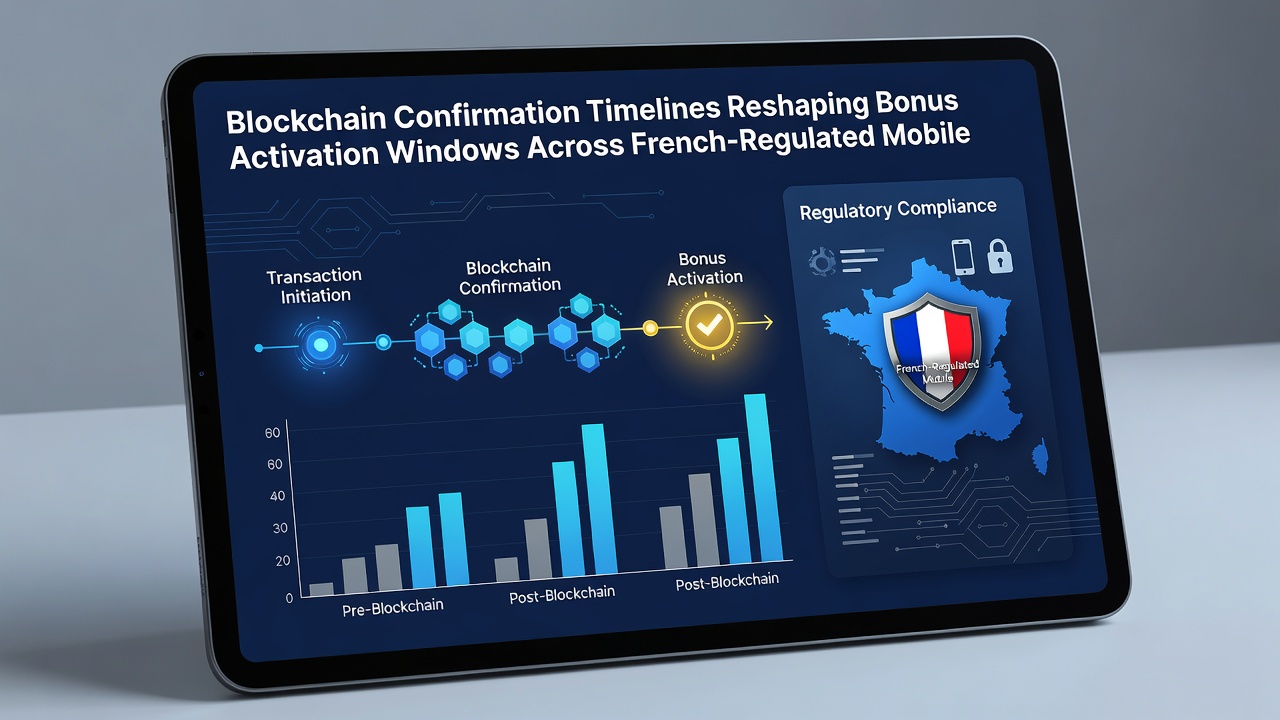
Engineers at several licensed studios have begun embedding predictive algorithms that estimate confirmation duration based on recent block intervals, allowing the bonus system to pre-stage credits while final validation occurs. This approach reduces visible waiting time on the player side without bypassing regulatory checks. Studies published by academic research centers in France highlight that such optimizations maintain full compliance while improving session continuity between slot spins and live dealer rounds.
Impact on Player Experience and Platform Operations
Players accessing French-regulated mobile hybrids now encounter on-screen indicators that display remaining confirmation blocks, turning an invisible technical process into visible feedback. This transparency helps manage expectations when bonus funds do not appear instantly after deposit. Platform operators report that clear communication about these timelines correlates with higher completion rates for promotional offers, because users understand the underlying mechanics rather than attributing delays to system errors.
Back-office teams adjust risk models to account for the variable gap between deposit receipt and bonus activation, since this interval influences how quickly promotional liabilities appear on balance sheets. The reality is that blockchain-based payment rails introduce a new variable into traditional bonus accounting cycles, one that French regulators monitor through periodic reporting requirements.
Future Outlook Through Late 2026
Industry reports from the European Gaming and Betting Association project continued refinement of confirmation protocols through the end of 2026, with particular attention to how mobile-optimized chains handle mixed slot and table traffic. ANJ guidance documents already outline expectations for payment finality in bonus mechanics, and operators anticipate further clarification once network upgrades scheduled for November 2026 reach completion. Additional data from university-led technology assessments suggest that hybrid game developers will gain more granular control over activation timing as block times stabilize.
Conclusion
Blockchain confirmation timelines have become a structural factor in how French-regulated mobile slot and live table hybrids manage bonus activation windows. The interplay between network finality, regulatory audit requirements, and real-time game mechanics continues to shape operational practices, while scheduled protocol improvements point toward measurable reductions in activation delays by late 2026. Players and operators alike navigate these parameters through updated interfaces and clearer disclosure practices that reflect the technical realities of distributed ledger payments.